Appeared in JNS.org on October 5, 2026
Minister Katz: “In an emergency, no citizen should be left without a response.”
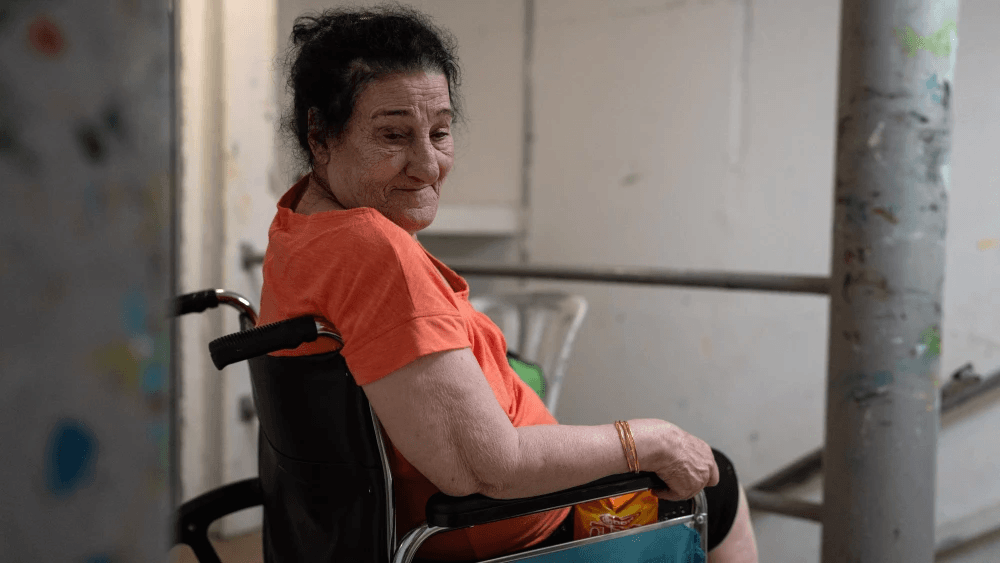
(Oct. 5, 2026 / JNS) The Oct. 7, 2023, Hamas-led attacks in Israel and wars on many fronts since have continuously highlighted the many challenges people with disabilities face during time of war. Accessing bomb shelters can be difficult for those with mobility impairments and the inability to enter inaccessible shelters can be life threatening. With regulations signed on Sept. 23 by Defense Minister Israel Katz, this will soon change. The new regulation formalizes emergency response measures for people with disabilities.
The regulations regarding equal rights for people with disabilities concerning essential and life-sustaining needs during emergencies marks the completion and implementation of a comprehensive national initiative.
The initiative was led by the Defense Ministry’s National Emergency Management Authority (NEMA), in collaboration with relevant government ministries and professional bodies. Over the course of the project, five key areas were formulated to ensure the continuity of services and responses during emergencies for people with disabilities: formalizing response measures within facilities for people with disabilities; evacuation of people with disabilities; accessibility of community health services during emergencies; a dedicated information database; and a system for locating, contacting and assisting people with disabilities as well as providing essential and often life-sustaining supplies to people who choose to remain in their homes.
Katz said, “In an emergency, no citizen should be left without a response. The regulations I have signed are designed to ensure that people with disabilities receive the assistance and essential supplies they need, even while remaining in their homes. This is our responsibility as a state and our duty toward them and their families. I commend all the partners on the completion of this important initiative. Our true test lies in implementation on the ground and ensuring the aid reaches everyone who needs it.”
Shira Reifman, CEO of Keren Or: The Jerusalem Center for Children with Visual Impairments and Multiple Disabilities, said, “We welcome and applaud the recognition that people with disabilities have special concerns and needs during national emergencies. We certainly saw this to be the case during the Iran wars when Keren Or had to relocate our school—which remained open while most of the school system shut down—to a facility with sufficient bomb shelter space. This required moving standers, walkers, hoists, mattresses and trucks full of equipment to the new site. It also required us to calm and familiarize our blind students with additional complex disabilities to a new setting and physical layout.
“In addition to critical regulation, we hope that commensurate funding has been allocated for implementation. Agencies need additional staff hours to comply with new regulations, funds to build wheelchair accessible bomb shelters, and government agencies that respond quickly and efficiently to requests for help, building permits, clarifications and permissions.”
Access Israel
Yuval Wagner, chairman of Access Israel, said that his organization has been leading the effort to ensure accessibility for people with disabilities since 1999. “Legislation regarding emergency preparedness and accessibility for people with disabilities has been in the planning stages since 2006.”
Wagner shared that Access Israel has been actively lobbying the Knesset Labor and Welfare Committee, the Commission for Equal Rights of Persons with Disabilities (a statutory body under Israel’s Justice Ministry), and the Defense Ministry. Access Israel even filed a High Court petition against the Welfare Committee and the Defense Ministry to advance this issue. “Fortunately, the regulations have finally been approved and signed by the minister of defense,” Wagner said.
The organization working on the ground—handling evacuations and addressing the needs of people with disabilities living in unfortified homes under missile attacks—was Access Israel, he said. Through its Purple Vest initiative, the organization facilitated thousands of accessible evacuations and met a wide range of unique, life-saving and survival needs for people with disabilities and the elderly during wartime.
Wagner said these regulations should have been passed long ago. “Over the past three years—since the cursed events of October 7—Israel has been at war, resulting in tens of thousands of IDF soldiers and civilians suffering physical and mental injuries. Regrettably, the legislation was passed only after the fact. Israel had not been adequately prepared beforehand,” he said.
Access Israel and its Purple Vest campaign have been working to evacuate and relocate people in Israel with disabilities as well as the elderly during war time and while under missile attacks.
Wagner added, “Congratulations and appreciation go to the Ministry of Defense, the National Emergency Management Authority and all partners for the tremendous effort that led to the finalization and approval of these regulations.
“It is now vital to implement these critically important regulations. This ensures that in the event of a future war, earthquake, fire, flood or other weather-related crisis, emergency systems for assisting people with disabilities will be ready and well-practiced in providing aid and saving lives,” he said.