Originally appeared at JNS.org on July 14, 2026.
More than 3,000 athletes from over 40 countries took part in the “Jewish Olympics,” held a year after the Games were postponed due to the war with Iran.
One year after the Maccabiah Games were postponed because of Israel’s war with Iran, thousands of Jewish athletes gathered at Expo Tel Aviv on Monday night to celebrate the successful conclusion of the 2026 competition, capping nearly two weeks of athletic events and reaffirming the resilience of world Jewry.
The July 13 closing ceremony brought together athletes from more than 40 countries who competed in what is widely known as the “Jewish Olympics.” The Maccabiah was originally scheduled to open on July 8, 2025, with some 8,000 athletes from 55 countries, but was postponed following “Operation Rising Lion” and heightened tensions with Iran.
Announcing the postponement in June 2025, Israeli Culture and Sports Minister Miki Zohar had declared, “We will meet here next year with an Israel stronger and braver than ever.”
Addressing participants at the closing ceremony, Zohar said the successful completion of the games fulfilled that promise.
“The festive end of the Maccabiah tonight is particularly joyful,” he said. “Beyond sports, there was a real encounter here between Diaspora Jews and the State of Israel and the people here. The athletes return home with memories and experiences and a new connection with the State of Israel.”
Zohar thanked the Maccabi World Union, the Maccabiah organizers, Keren Kayemeth LeIsrael-Jewish National Fund, local authorities, volunteers, security forces and the athletes themselves, concluding, “Am Yisrael Chai! The people of Israel live!”
Celebration beyond sport
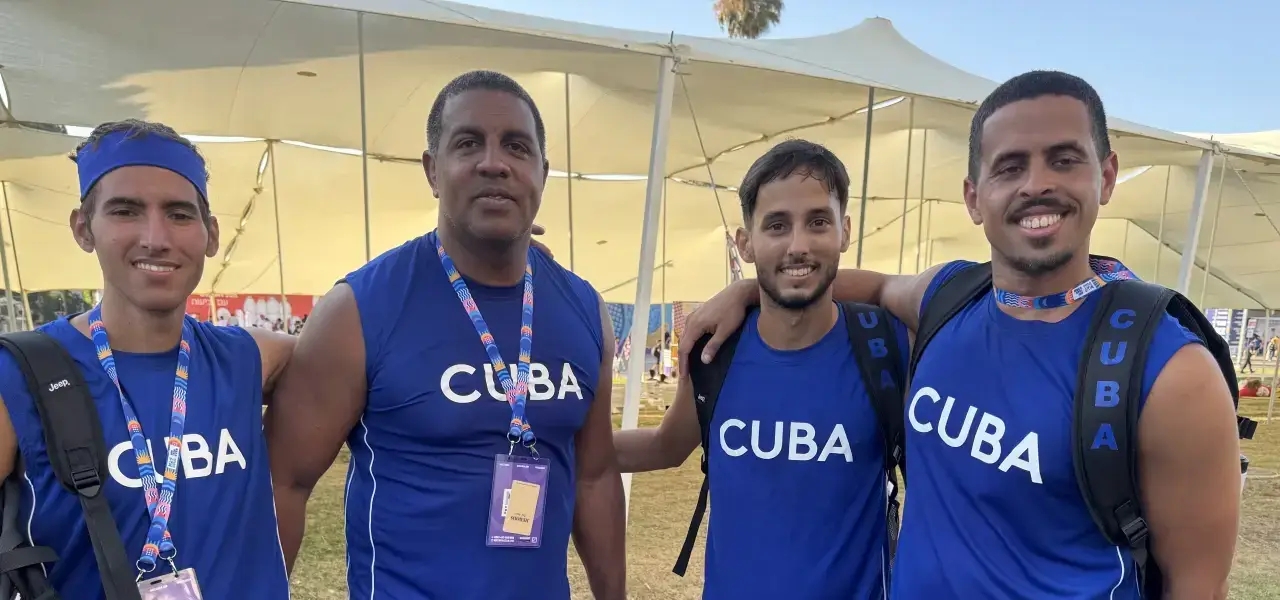
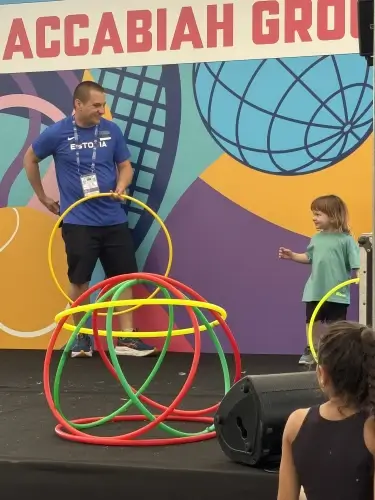
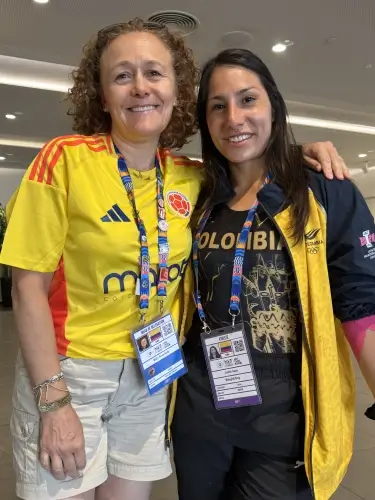
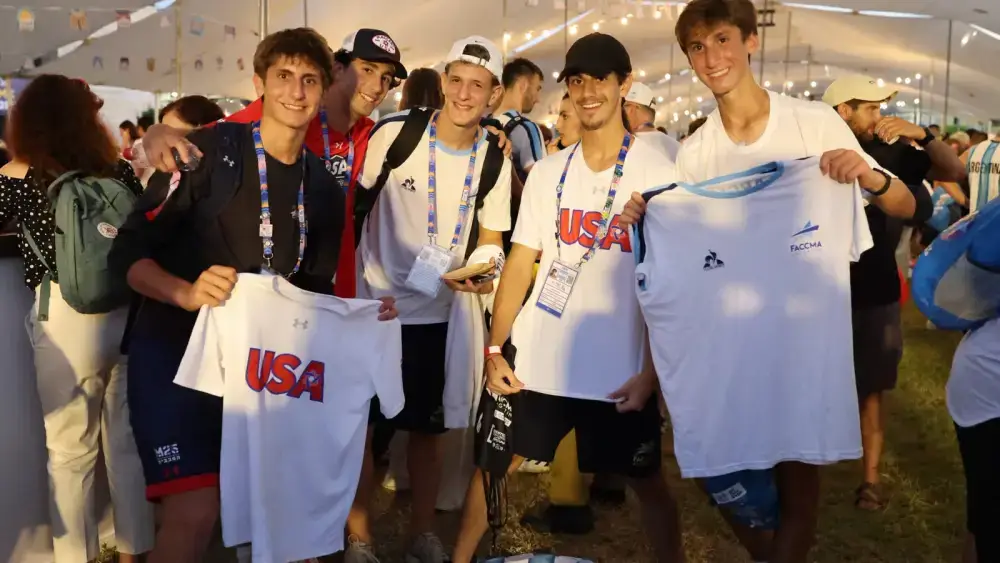
More than 3,000 athletes from abroad competed alongside some 2,000 Israeli participants during the July 1-13 games. Organizers said approximately 1,000 youth athletes took part in the Maccabiah for the first time.
The closing ceremony featured medal presentations, the transfer of the Maccabiah Miracle Flag to the Jewish Sports Museum and a film honoring those murdered on and since Oct. 7, 2023. Olympic gymnastics medalist and Maccabiah ambassador Artem Dolgopyat extinguished the Maccabiah flame, marking the official end of the games until the next competition.
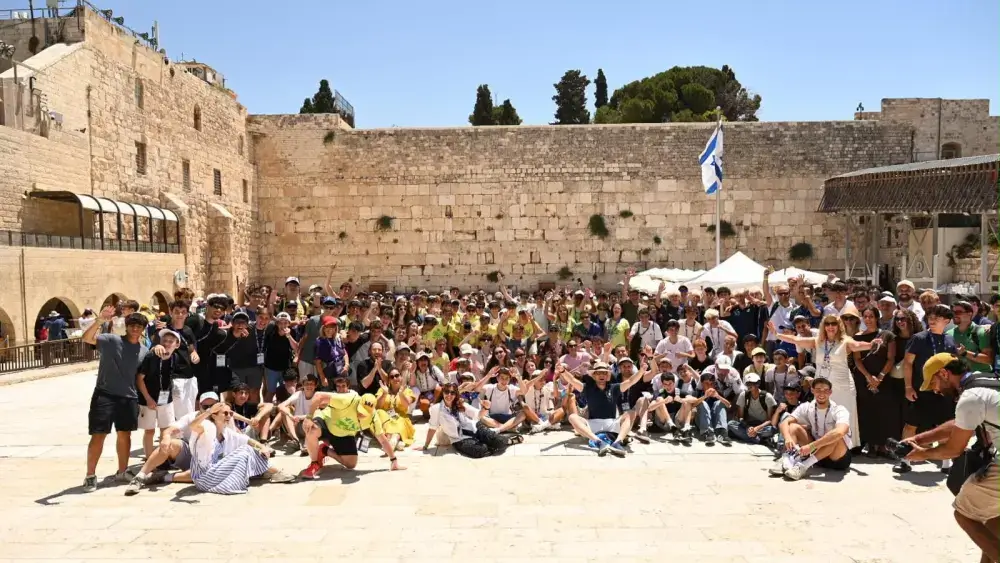
Earlier on July 13, approximately 1,200 Maccabiah participants celebrated their bar and bat mitzvahs at Jerusalem’s Western Wall in a ceremony organized by the Maccabiah, Keren Kayemeth LeIsrael-Jewish National Fund and the Western Wall Heritage Foundation.
Many of the participants, visiting Israel for the first time, toured Jerusalem’s Old City before taking part in the ceremony, which included prayer services and aliyot to the Torah at the Western Wall.
‘A clear message’
Roy Hessing, chief executive of Maccabi World Union and the Maccabiah, said staging the games this year carried significance well beyond athletics.
“The only time the Maccabiah was canceled was during the Holocaust,” Hessing told JNS. Holding the event this year, he said, was important “to send a clear message to our neighbors around the world that we are strong and united.”
Reflecting on the event, Hessing highlighted both its sporting and broader impact.
“More than 3,000 athletes arrived from around the world, joined by 2,000 members of the Israeli delegation and about 6,000 other guests,” he said. “The hotels were filled with tourists. I’m so proud and happy that we managed to hold a significant, exciting, powerful event, which is much more than just another sports competition. It is an event which connects the Jewish communities to the State of Israel and makes us all very proud.”
Founded in 1932, the Maccabiah Games are held every four years and are the world’s largest Jewish sporting event, bringing together thousands of athletes from across the globe to compete in Israel while strengthening their connection to the Jewish state.