Originally appeared in In Jewish News Syndicate in www.jns.org, January 29, 2026
From daily therapy to long-term recovery, the nonprofit is scaling up to meet the needs of wounded warriors returning to civilian life.
When Rabbi Uriel Vigler witnessed the warm reception given to 12 wounded Israeli soldiers during a Shabbat dinner at a Manhattan synagogue in 2010, he knew he had stumbled upon something powerful.
That evening, Vigler invited a young woman to share her story. She described how she and her father were injured in a terrorist attack in which her mother was killed.
“The hardest part wasn’t the surgeries or the physical pain,” she told the congregation. “It was lying in a hospital bed with no one there to hug me. Coming to your shul and having 500 people tell me I’m a hero—that was the hug I needed.”
That moment helped inspire the creation of Belev Echad, which Vigler and his wife, Shevy, formally founded later that year to support wounded Israel Defense Forces soldiers through rehabilitation services, therapeutic programs, healing trips to the United States and treatment centers in Israel.
Since the outbreak of the war on Oct. 7, 2023, Belev Echad’s work has expanded dramatically. The organization’s annual budget has grown from $1 million in 2020 to $18 million in 2025, reflecting both increased need and broader public support.
Plotkin Belev Echad House
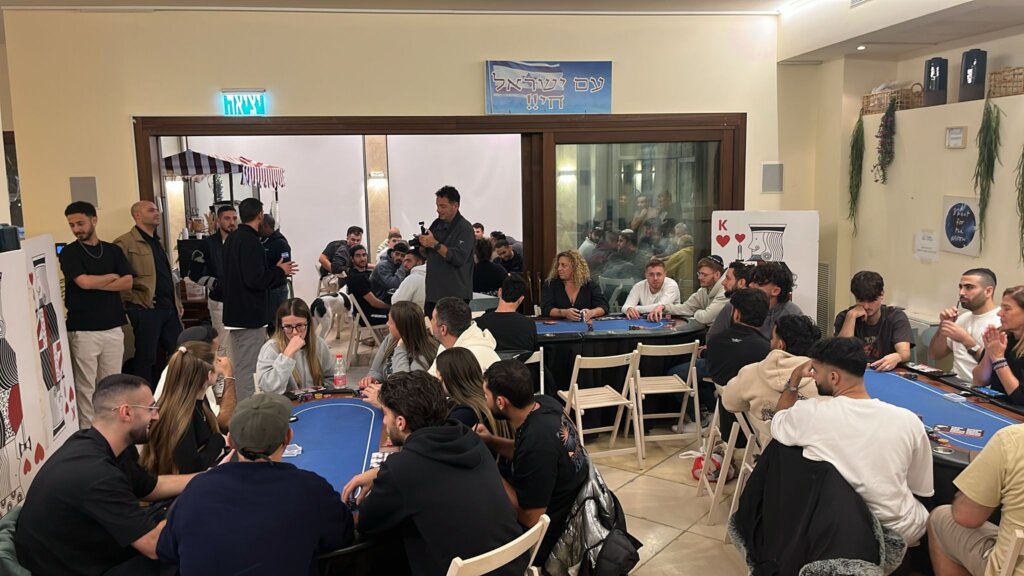
A cornerstone of Belev Echad’s operations is the Plotkin Belev Echad House in Kiryat Ono, which opened in 2021. Vigler describes the location as ideal—five minutes from the Sheba Medical Center at Tel HaShomer, where many wounded soldiers receive medical care, and close to government offices that serve injured veterans. A shuttle service connects the sites.
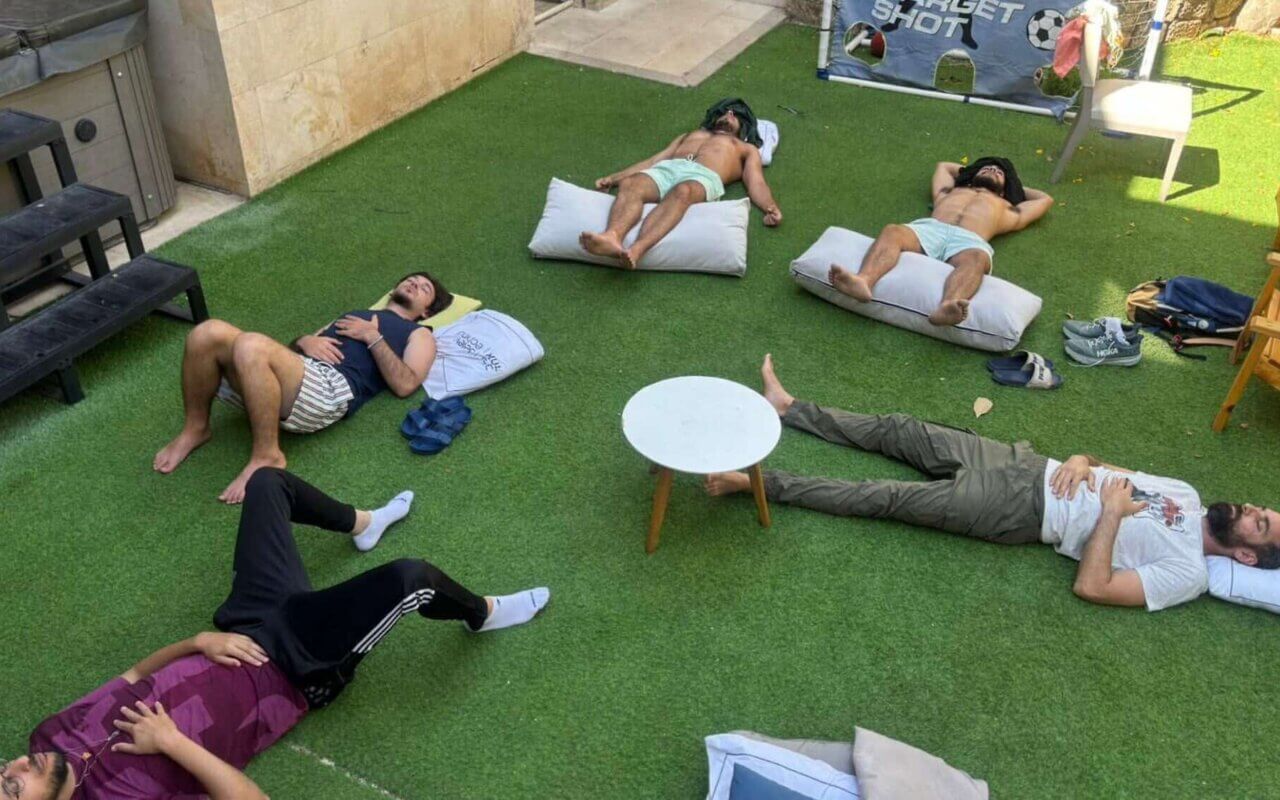
From Sunday through Thursday, between 10:30 a.m. and 8 p.m., approximately 200 wounded soldiers pass through the facility daily, participating in 18 different therapies and activities. These include mixed martial arts, hydrotherapy, medical massage, occupational therapy, Watsu aquatic therapy, red-light therapy, cold immersion and sessions with therapy dogs.
“Some soldiers come just to eat,” Vigler noted. “There’s a man who fought for Am Yisrael, is separated from his wife, lives with PTSD and has no job—so he comes for a meal.” Each day, about 60 volunteers prepare home-cooked food for participants.
“Our vision has always been to shut it down,” Vigler said, explaining that he hopes for a day without war or wounded soldiers. “But for now, the work is only growing.”
Today, about 2,000 wounded soldiers are registered with Belev Echad. Vigler says the sense of camaraderie among participants is unmistakable. “Only they can look into the eyes of a fellow warrior and truly understand the pain,” he said.
Wellness programs and overseas delegations
Forty-five wounded veterans are employed by the organization itself, including Matan Eizenberg, coordinator of wellness programs and overseas delegations. A former Golani officer, Eizenberg was wounded in a friendly-fire incident, lost 50% of his eyesight and lives with PTSD.
Since joining Belev Echad, he has led 10 delegations of wounded soldiers to U.S. cities including New York, Los Angeles and Miami, as well as to college campuses.
“Our main goal for 2026 is addressing PTSD,” Eizenberg said. “By 2027, more than 15,000 Israelis will be living with it.”
He noted that all programs are overseen by medical professionals and trauma specialists, with research conducted at Plotkin Belev Echad House aimed at helping soldiers return to work and family life.
“Inside the house, people feel comfortable,” he said. “They feel hope. They feel they belong.”
Another beneficiary is Itay Dori, 23, a former tank commander wounded by a sniper on July 28, 2024—just days before his scheduled engagement celebration. After six months hospitalized at Hadassah University Medical Center in Jerusalem, he joined Plotkin House once he was no longer using a wheelchair.
“I took my time adjusting to my new reality,” Dori said. “I dropped by only when I felt ready—and then I wondered why I hadn’t come sooner.”
Now married, Dori calls the center “a second home.” He regularly attends mixed martial arts classes taught by another wounded veteran and receives medical massage, red-light therapy and cold-bath treatments.
He has also begun sharing his story with visitors and donors, including recently giving a tour in Hungarian, his mother’s native language.
New rehabilitation center in Jerusalem
Dori is especially encouraged by Belev Echad’s next major step: a new residential rehabilitation center planned for Jerusalem’s Bayit Vegan neighborhood.
The facility is expected to serve up to 150 soldiers daily, with more than 300 currently on a waiting list.
“At the end of the day,” Dori said, “we all need to go back to our lives.”